Feature · Issue 03 · Winter 2026
Canopy Before Crop
Why the first decade of an edible landscape is decided by shade, shelter, and structure — not seedlings.
Build the bones first
Most new edible gardens begin with the catalogue: fruit trees, berries, a bed of greens. The catalogue is not wrong. It is incomplete. In Aotearoa’s wind, salt, and summer dry, the plants that last are the ones given a climate before they are asked for a crop.
Canopy is that climate. Shelter belts, nurse trees, and staggered heights decide where frost pools, where mulch stays wet, and whether a young feijoa spends its first summers fighting the northerly instead of setting fruit.
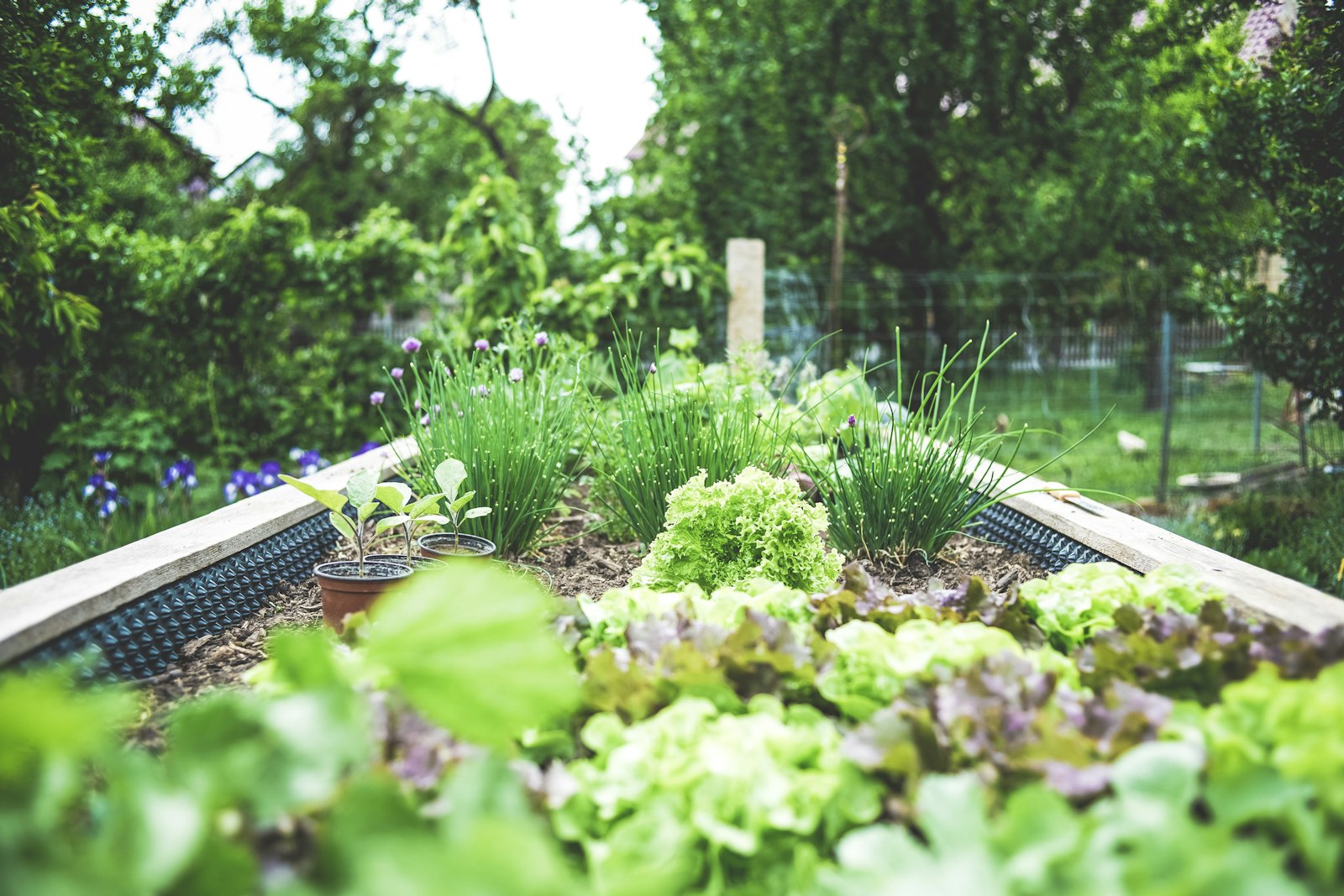
Walk a decade-old food forest in the Western Bay and the pattern is obvious: tall shelter on the prevailing edge, mid-storey fruit in the lee, herbs and greens where light still reaches the path. The planting list looks abundant. The geometry is what made abundance possible.
Winter is the honest season for this work. Without leaf cover, you can see the gaps — the corner that funnels wind, the low spot that holds cold air, the fence line that should have been a living wall five years ago.
Edible LandscapesAn edible landscape is not a collection of plants. It is a sequence of climates you build on purpose.
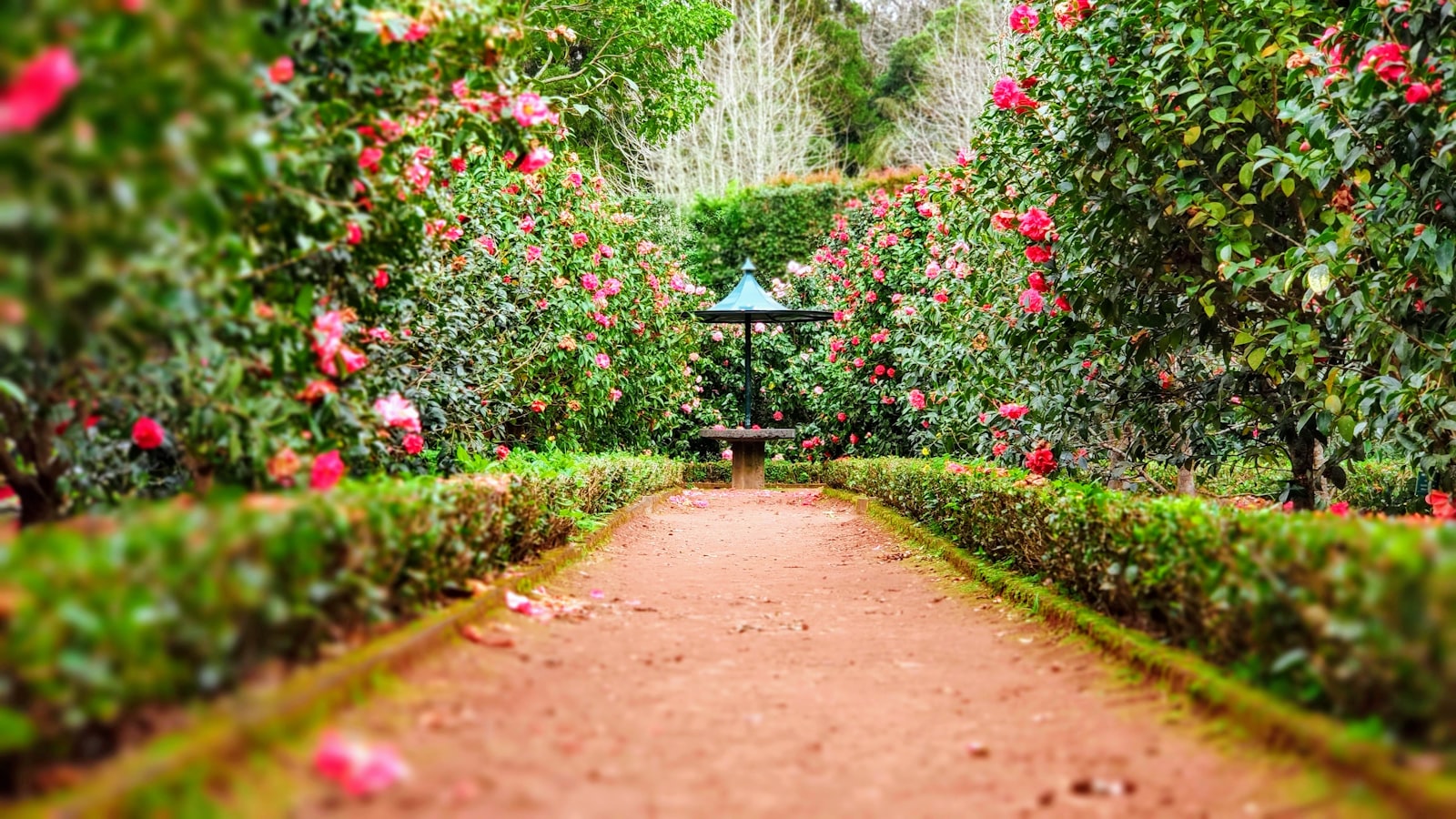
Start with edges. Map wind, sun, and water before you order trees. In Te Puke and the coastal Bay, salt and dry northerlies punish exposed citrus; a single line of tagasaste or tempered natives can turn a failure strip into a productive bay.
Then height. Decide which trees will still stand in twenty years. Place them where their mature shade helps — not where today’s empty paddock feels convenient. Underplant only after the light pattern is honest.
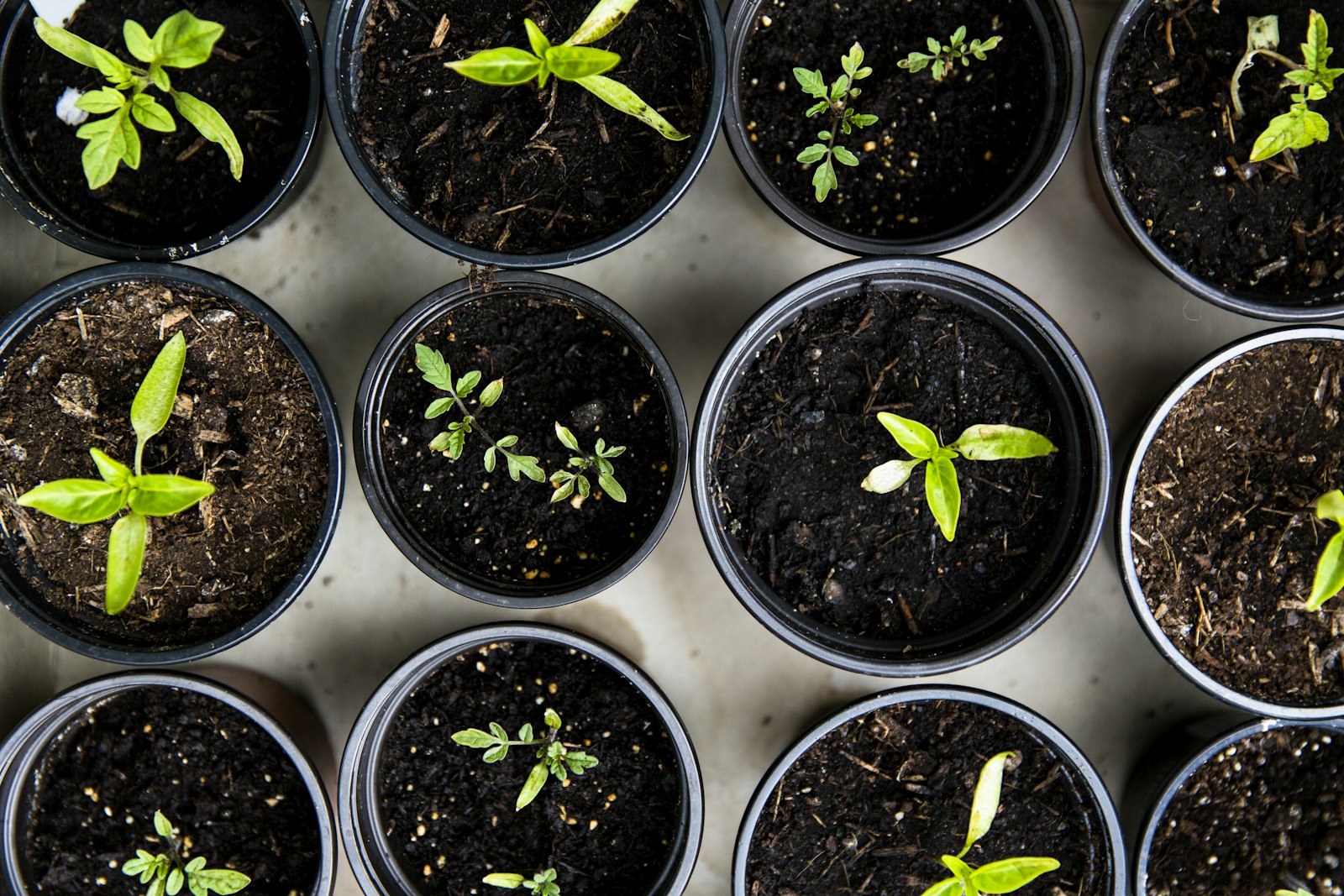
Crop comes third. Annuals and soft fruit fill the years while canopy settles. They are not the plan; they are the patience. The magazine will return to understorey guilds in later issues. This one begins where the land begins: with shelter.
If you plant only one thing this winter, plant structure. The harvest will follow the climate you make.