Light is the first nutrient
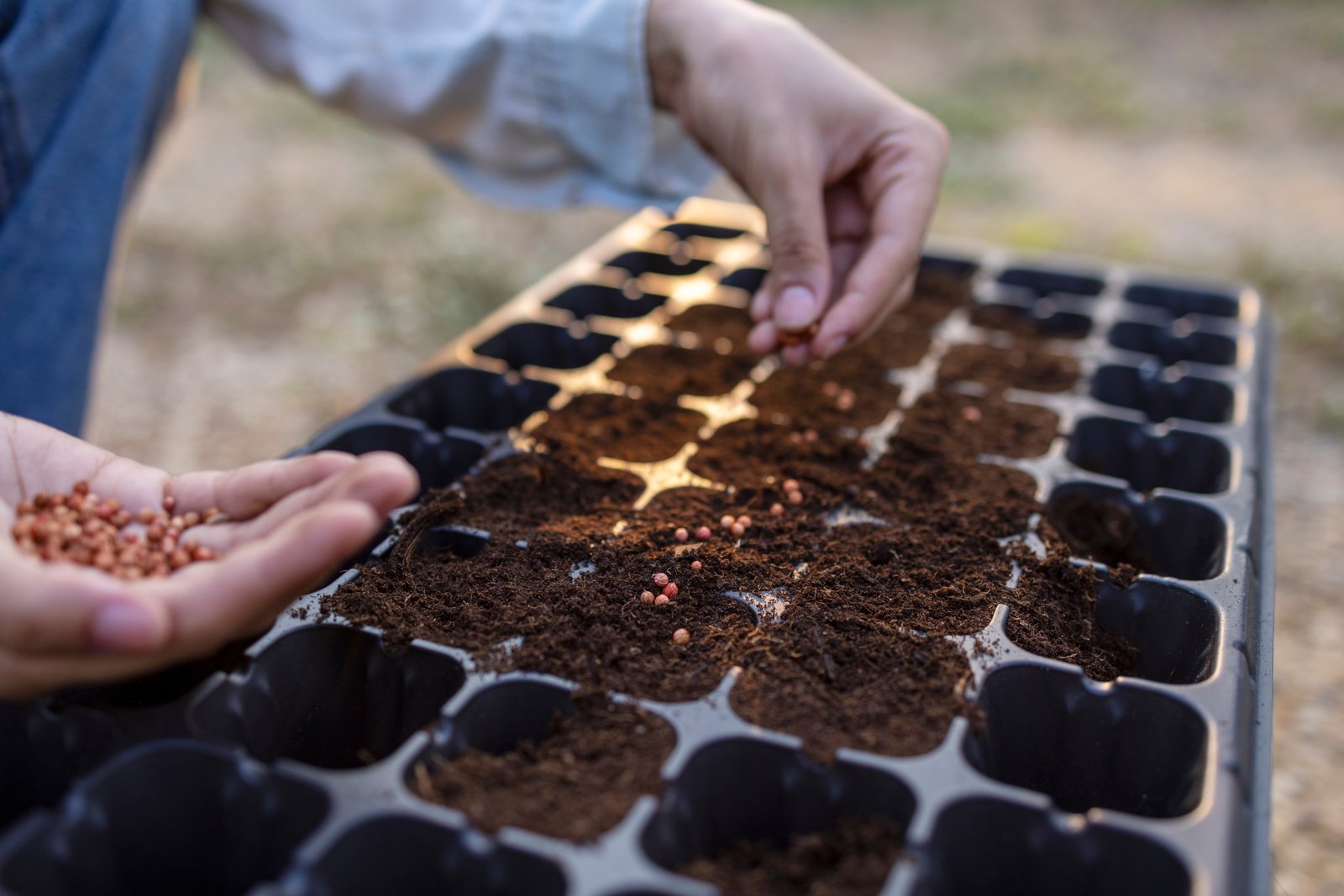
Seed starting is not mysticism — it is light, warmth, moisture, and timing. In Aotearoa, many growers start tomatoes, capsicum, and eggplant indoors from August in the north and September further south, then spend three weeks hardening off before outdoor planting. Skip the hardening phase and you trade a fortnight indoors for a dead row outdoors.
Week 2 gave you frost lines and soil thresholds. Week 3 asks a practical question: what should still be on the bench, what can go under cloche, and what should wait for direct sow into warm ground? Count backwards from your personal last-frost date — not the seed packet’s Northern Hemisphere fantasy.
Leggy seedlings — tall, pale stems — mean insufficient light or too much heat without matching photons. A south-facing windowsill rarely delivers enough hours for solanums; supplemental LED grow lights pay for themselves in one season of failed trays.
Direct sowing outdoors suits peas, carrots, radish, and many herbs once soil is workable and your Week 2 thermometer agrees. The art is knowing which crops reward indoor head starts versus which resent root disturbance. Beans and corn prefer direct sow; brassicas tolerate transplant if hardened.
For tomatoes, capsicum, eggplant, and chilli, aim for stocky seedlings: short internodes, deep green leaves, roots visible but not circling at the pot edge. If stems stretch, add light before warmth — heat without photons produces fragile plants that collapse at the first coastal gust.
When to sow indoors (NZ rule of thumb)
Count back 6–8 weeks from your local last-frost date for tomatoes and capsicum. Earlier is not better — pot-bound root balls stall after transplant. Upsize once to 10cm pots if weather delays planting.
Northland and Auckland often start solanums in late August; Bay of Plenty and Waikato in early September; cooler inland and southern districts later still. Your frost map from Week 2 overrides any national blog post.
Cloche and tunnel alternatives
Low tunnels and cloches extend outdoor sowing on lifestyle blocks without greenhouse capital. Vent on sunny days — cooked seedlings under plastic die faster than frosted ones.
Hoops with horticultural fleece or clear film can replace a glasshouse for hardening off: plants live outside in a moderated microclimate before their final bed placement.
Indoor start checklist
-
Sterile mix or pasteurised compost
Damping-off fungi kill trays overnight. Fresh seed-raising mix or heated compost reduces risk.
-
Label with date and variety
You will forget. Include expected transplant week so you do not hold plants too long.
-
Light within 5cm of leaves
Adjust height as plants grow. 14–16 hours light for most vegetables; darkness matters too.
-
Water from below when possible
Dry surface, moist root zone. Overhead watering spreads fungal spores on dense trays.
-
Pot up before roots spiral
One move to a 10cm pot beats a root-bound plant held two extra weeks “because frost might come back”.
-
Harden off over 7–10 days
Shade → partial sun → full sun → overnight outside if frost-safe. Reduce water slightly to toughen stems.
Edible LandscapesA seedling ready for the garden holds its own weight and roots white, not circling the pot in a tight braid.
Hardening off is climate training, not a single afternoon on the deck. Begin with one hour in shade, increase exposure daily, and watch the forecast — a clear night after a warm day can still frost a tray left out on concrete. Week 2’s frost pools matter here: harden on the ridge, not in the hollow.
Biosecurity note: imported seed must meet MPI requirements; buy from reputable NZ suppliers for varieties tested in local conditions. Open-pollinated lines you save yourself adapt to your block over seasons — hybrids give uniform first-year performance but not seed continuity.
When Week 4 covers row spacing, you will already know which trays are destined for the main bed and which crops will be direct-sown between them. Propagation without a planting plan is how spring benches overflow while ground sits empty.