
Frost is a map, not a mood
Every spring, seedlings die in trays that looked fine yesterday. The culprit is rarely “bad luck” — it is planting into soil and air that have not yet crossed the thresholds your crops need. Frost tolerance, soil temperature, and wind exposure combine into a local map you can learn in one season and reuse for years.
Week 1 gave you sectors and wet-boot observations. Week 2 turns those notes into planting rules: which beds warm first, which hollows still silver at 7am, and which seed packets should stay in the shed until the soil thermometer says yes.
In New Zealand, last significant frosts typically fall between late August and mid October depending on latitude and exposure. Coastal Bay of Plenty and Northland can plant tender crops earlier than inland Canterbury or Central Otago — but coastal sites pay for early warmth with wind and salt, not free passes on every species.
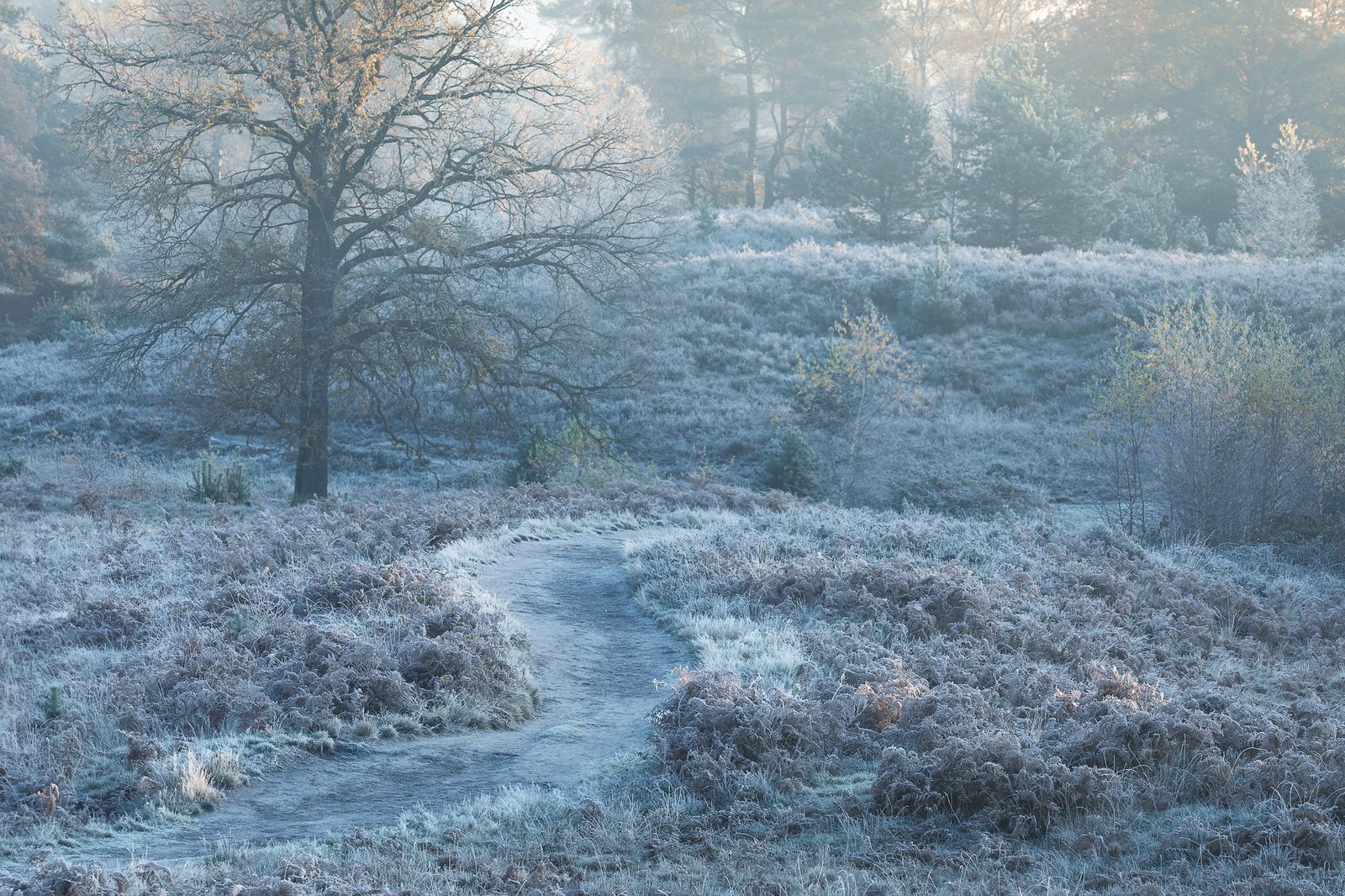
Walk at first light after a clear, calm night. Grass that whites out in the hollow but stays green on the ridge tells you where cold air drains and settles. Those beds get tender crops last — or need frost cloth, water drums, or a season of hardier cover crops first.
Radiation frost is only part of the story. Advective frost — cold air pushed in from the south — can damage coastal orchards when inland forecasts look mild. Record both the thermometer reading and the sky: clear and still versus cloudy and windy are different planting weeks on the same calendar date.
Soil temperature benchmarks
Most summer crops want soil above 10°C before root growth accelerates; 15°C is a practical target for beans, corn, and cucurbits outdoors. In spring clay, surface warmth can lie — probe at root depth after rain and sun.
Peas, broad beans, and onion sets tolerate cooler soil; tomatoes and basil do not. Match species to your measured week, not to a seed packet written for another hemisphere.
Log soil at 10cm depth for seven mornings in your main bed. A cheap probe beats guessing; three years of notes beat any national map for your microclimate.
NZ frost reality checks
NIWA and regional council climate summaries give median frost dates; your block adds or subtracts days. Elevation, katabatic drainage, and urban heat islands all matter.
Te Puke and the coastal Bay often see last damaging frost weeks before inland Waikato or Matamata — but kiwifruit growers still watch September clear nights. Central Otago and inland Canterbury may frost into October; Northland frost cloth is insurance, not vanity.
Record the date of your last damaging frost three years running. That personal datum beats any generic “Labour weekend” rule.
A spring planting window audit
-
Mark frost pools
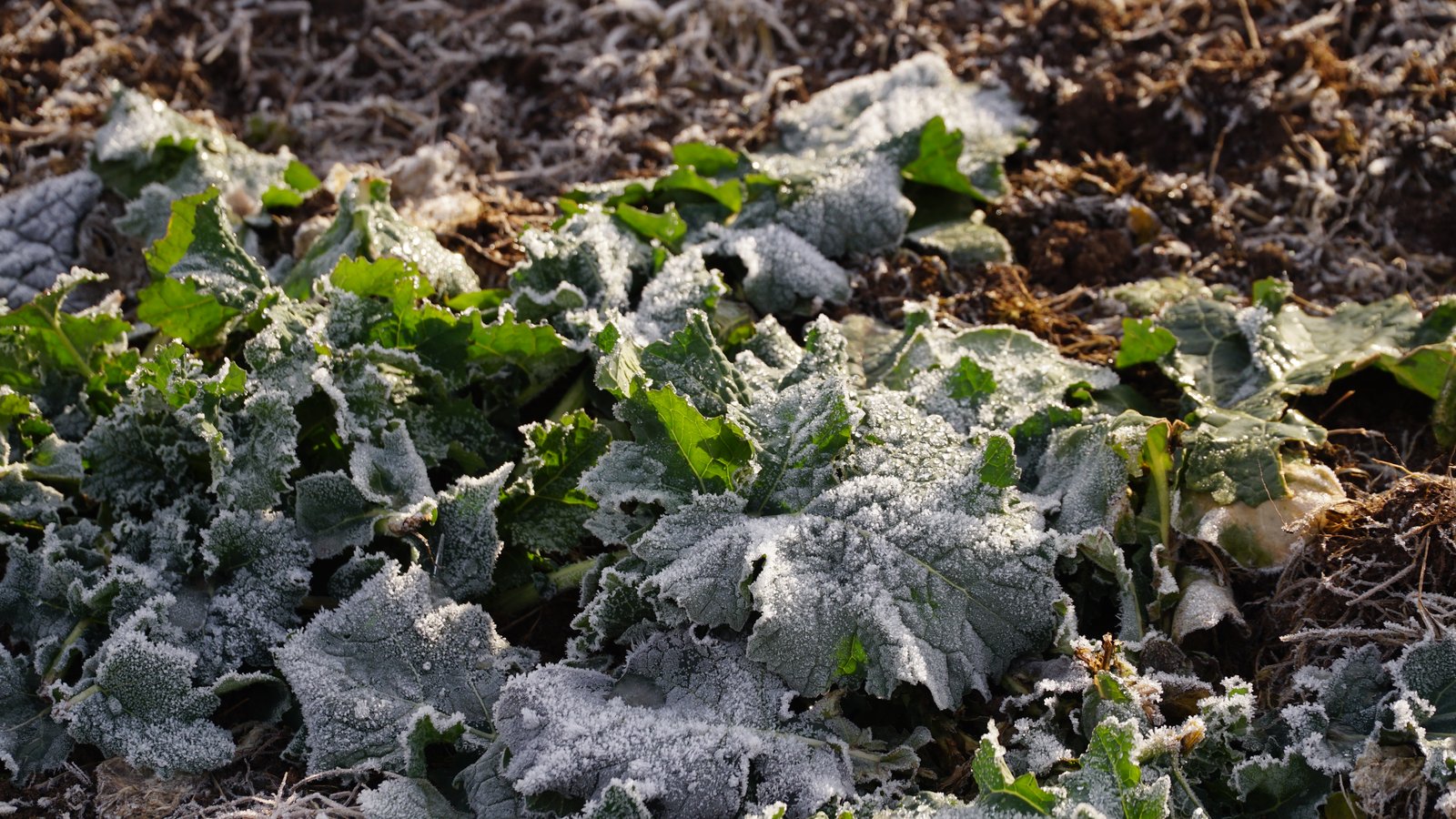
Walk at dawn after clear nights. Peg or photograph where grass whites out — those beds get tender crops last or need cloth.
-
Measure soil at 10cm
Log daily for a week in your main vegetable bed. Compare north vs south sides of the house and raised vs flat ground.
-
Tier your plant list
Hardy now / hardy after equinox / after last frost / after soil 15°C. Four lists, four planting waves — not one heroic weekend.
-
Match propagation to window
If last frost is six weeks away, do not start tomatoes today unless you have bench space and patience. Count backwards from your personal safe date.
-
Harden off before trust
Move seedlings outdoors in shade for increasing hours. Wind and UV shock kill as often as frost — especially on coastal sand.
Edible LandscapesPlanting everything on one warm weekend is how spring becomes expensive compost.
If you are on heavy clay in the western Bay of Plenty, spring crust can warm the surface while subsurface stays cold — roots stall and leaves yellow. Wait for consistent warmth, or plant on raised rows that drain and heat faster. If you are on sand near the coast, early planting is possible but wind desiccation replaces frost as the main risk — cluster young plants where a hedge cuts the breeze.
Frost cloth is a tool, not a philosophy. Use it where you have already placed tender crops in the best microclimate available — not as permission to ignore frost pools you mapped in Week 1. Remove cloth on warm days; seedlings that cook under plastic on a still September afternoon are still a spring casualty, just a different one.
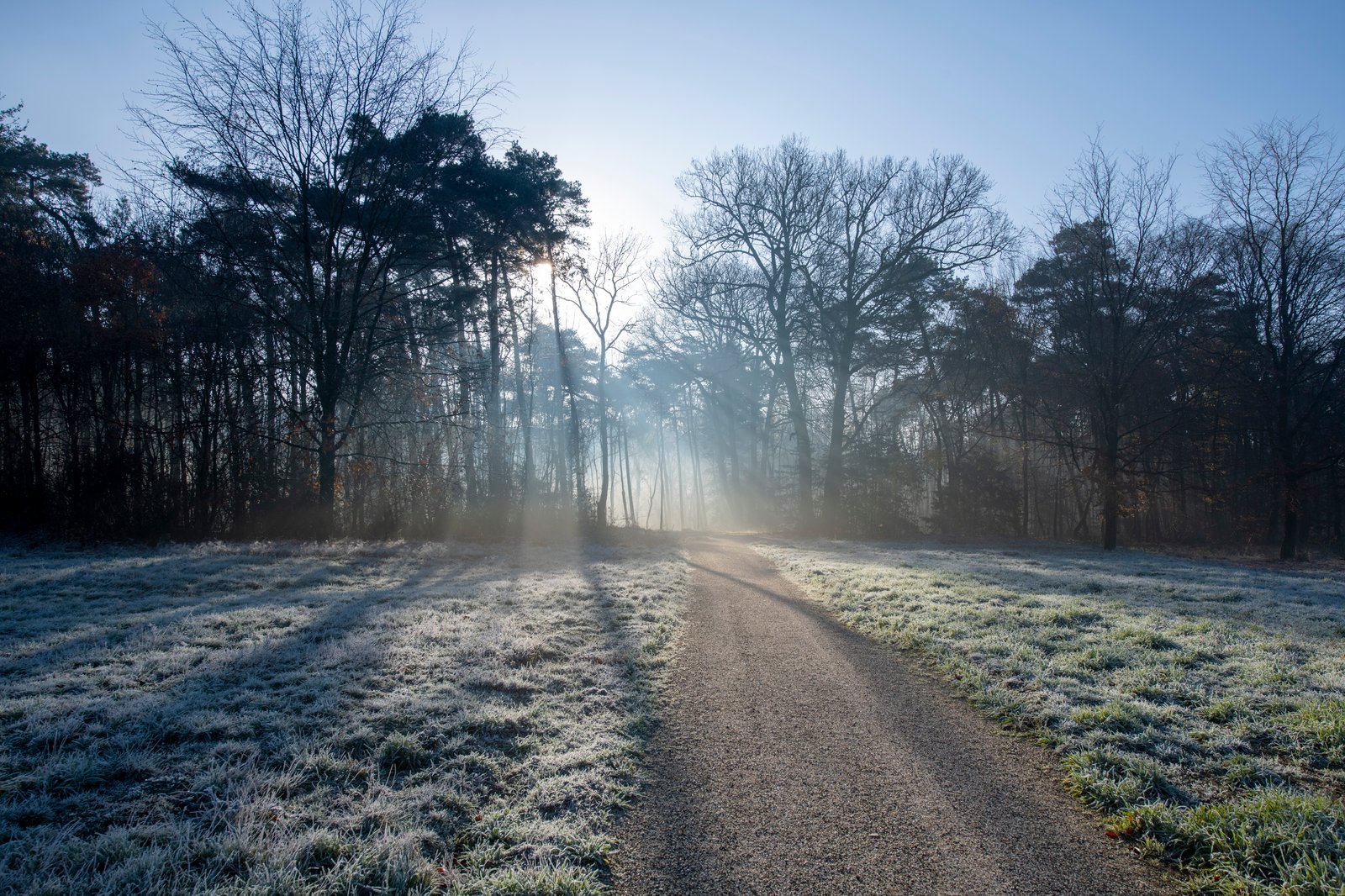
Carry this week’s map forward: when Week 3 covers seed starting and hardening off, you will already know which trays belong on the early bench and which should wait. The calendar on the wall is generic; the frost line on your block is the one that counts.